
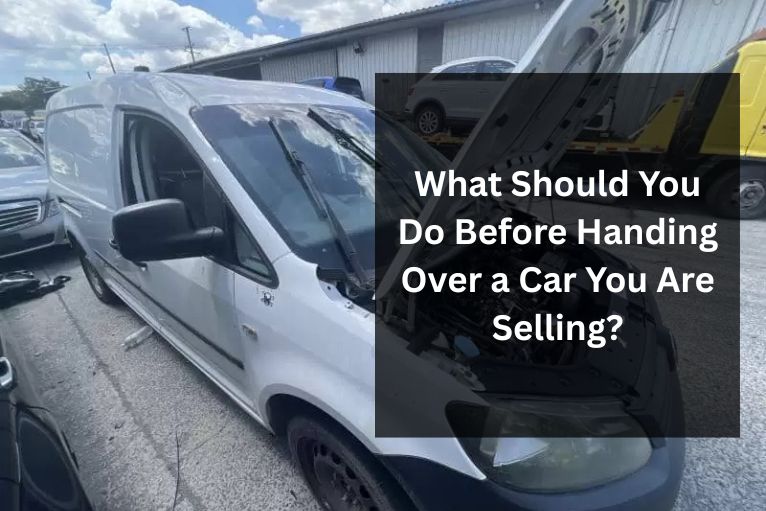
Selling a car involves more than agreeing on a price and passing over the keys. Before handing over your vehicle, you should remove personal belongings, protect your personal information, prepare the necessary documents and confirm the payment arrangements.
Whether you are selling an older family car, a damaged vehicle or an unwanted car in Perth, preparing for the handover can help prevent delays and misunderstandings.
This guide explains what to check before handing over a car in Western Australia, including vehicle preparation, payment, collection and the paperwork to complete after the sale.
1. Gather Your Vehicle Documents and Keys
Start by collecting the documents and items associated with your car. Having them ready makes the handover easier and helps answer questions from the buyer.
Depending on your selling arrangement, these may include:
- Vehicle licence or registration details
- Service records and maintenance receipts
- Owner’s manual and logbook
- Spare keys and remote controls
- Warranty documents, if applicable
- Finance payout information, if the vehicle has outstanding finance
You may not need every document for every sale. However, providing accurate information about the car’s history and condition helps avoid confusion.
If you cannot find the service book or an old receipt, explain what is missing rather than trying to recreate records. If finance remains owing, contact your lender to understand the payout process before agreeing to the sale.
2. Remove Personal Belongings From the Car
Before handing over your vehicle, check every compartment carefully. Items can easily be forgotten when you have owned a car for several years.
Look inside the glovebox, centre console, door pockets, boot, under the seats and around the spare-wheel compartment.
Remember to remove:
- Wallets, sunglasses and loose change
- House keys and garage remotes
- Personal documents and mail
- Child seats and accessories you want to keep
- Parking permits and work identification
- Tools, phone chargers and shopping bags
Check the boot even if you rarely use it. Older vehicles often accumulate belongings that are easy to overlook.
If your car is damaged or no longer starts, complete this check before the collection driver arrives. Retrieving forgotten belongings may be difficult once the vehicle has been loaded or removed.
3. Protect Your Personal Information
Modern vehicles can store personal information through infotainment systems, navigation features and connected applications.
Before handing over your car, check whether you need to remove:
- Saved home and work addresses
- Paired mobile phones and contact lists
- Bluetooth connections
- Personal profiles and connected accounts
- Saved access codes or digital keys
If your vehicle supports a factory reset, consult the owner’s manual and follow the manufacturer’s instructions. Save any information you want to retain before resetting the system.
You should also remove the vehicle from connected mobile applications where appropriate and review any digital-key access you have shared with other people.
These steps are particularly important when selling a newer vehicle with connected services. They help protect your privacy and reduce the chance of leaving personal information accessible to the next owner.
4. Check the Vehicle’s Condition Before Handover
Before the buyer collects the car, review its condition and make sure it matches what you discussed during the sale.
This is particularly important if the vehicle has accident damage, engine trouble, transmission problems, electrical faults or other mechanical issues.
You do not necessarily need to repair every fault before selling. The decision depends on the repair cost, the vehicle’s condition and the type of buyer.
Instead, describe known problems accurately. If the car does not start, has a flat battery or cannot be driven safely, explain this before collection so suitable transport arrangements can be made.
Taking photographs of the exterior, interior and existing damage can provide a useful record of the vehicle’s condition at handover.
For example, if an older car has engine failure and cannot leave the driveway under its own power, tell the buyer before confirming the pickup. This helps avoid unexpected changes to the collection arrangements.
5. Confirm the Agreed Price and Payment
Before releasing the keys, make sure you understand the agreed purchase price and how payment will be made.
For a private sale, check that the money has genuinely arrived in your account before handing over the vehicle. Do not rely solely on screenshots, emails or text messages claiming a transfer has been completed.
If payment is being made by a car-buying business, confirm the payment method and when the funds will be provided.
If the buyer changes the price after inspecting the car, make sure you understand and agree to the revised terms before proceeding. You should not feel pressured to accept an unexpected change.
Keep a written record of the final price, the date of sale and the parties involved. A receipt or sale agreement can help document what both parties agreed to.
Clear payment arrangements reduce the risk of misunderstandings and make the handover more straightforward.
6. Complete the Required Vehicle Transfer Steps in WA
Paperwork is an important part of selling a vehicle in Western Australia. The correct process depends on whether the vehicle is licensed, who is buying it and the circumstances of the sale.
For a Western Australian licensed vehicle, the seller must notify the Department of Transport and Major Infrastructure within seven days that they have sold, gifted or disposed of it. The seller must also provide the required details of the new owner.
You can check the current instructions for online transfers, paper forms and exceptions on the official WA vehicle sale and transfer requirements page.
Keep copies of relevant documents and confirmation of your notification where available. Do not assume that the buyer will automatically complete every step on your behalf.
If your vehicle has personalised or optional number plates that you intend to keep, check the applicable requirements before completing the sale. You may need to arrange the plate exchange or transfer before handing over the vehicle.
Unregistered vehicles, written-off vehicles and vehicles being dismantled may involve different requirements. Check the rules that apply to your specific situation rather than assuming the standard transfer process covers every case.
7. Remove Accessories You Intend to Keep
Before the handover, remove any items you intend to keep, such as removable phone mounts, roof racks, dash cameras or aftermarket accessories.
However, check your sale agreement first. If an accessory was included in the agreed price, removing it without the buyer’s agreement could cause a dispute.
If you are removing an electronic accessory, take care not to damage the vehicle or its wiring. Return any spare keys, remotes and accessories that were included in the sale.
A final check of the cabin, boot and exterior helps ensure you leave behind only the items agreed upon with the buyer.
8. Prepare for Collection of a Damaged or Non-Running Car
Not every vehicle being sold is roadworthy. Some cars have failed engines, accident damage, flat tyres or mechanical problems that make driving unsafe or impossible.
If you are arranging vehicle collection, provide accurate details about the car’s condition and location.
Before pickup, confirm:
- The collection address and agreed time
- Whether the vehicle can start, roll and steer
- Whether there is enough access for a tow truck
- Whether the keys are available
- Whether special loading arrangements may be needed
Remove your belongings and personal information before collection wherever possible.
If you are considering car removal services in Perth, confirm the collection arrangements, any applicable charges and the payment terms before booking. Services and conditions can vary, so make sure you understand what has been agreed.
Providing these details in advance can help avoid delays and make the collection process easier.
9. Keep Your Records After the Handover
Your responsibilities may not end when the car leaves your driveway.
Keep copies of the sale agreement or receipt, payment confirmation, relevant transfer documents and collection paperwork. Store them somewhere you can access later if questions arise.
Check that you have completed the required ownership notification and retain confirmation where available.
You should also review vehicle-related accounts or services that need to be updated or cancelled, such as connected-car subscriptions, parking arrangements or digital access.
If you have questions about registration, transfer requirements or number plates, consult the relevant WA government guidance for your circumstances.
Final Checklist Before Handing Over Your Car
Use this checklist before the buyer or collection driver arrives:
- Gather the available vehicle documents, keys and remotes.
- Remove personal belongings from the cabin and boot.
- Delete personal information from connected vehicle systems.
- Explain known faults and confirm the agreed vehicle condition.
- Confirm the final price and payment arrangements.
- Prepare the relevant sale and transfer paperwork.
- Confirm collection details if the vehicle cannot be driven.
- Keep a record of the sale and complete the required notifications.
Conclusion
Preparing your car before handing it over can help protect your personal information, prevent forgotten belongings and reduce paperwork problems. The most important steps are to confirm payment, communicate honestly about the vehicle’s condition, organise collection where necessary and complete the relevant transfer requirements.
If you are planning to sell an old, damaged or unwanted vehicle in Perth, you can explore your options with Cash For Car Perth. Before agreeing to a sale, make sure the price, payment arrangements, collection details and paperwork responsibilities are clear.
A little preparation before handover can help make the process smoother and give you greater confidence that the important details have been taken care of.
